
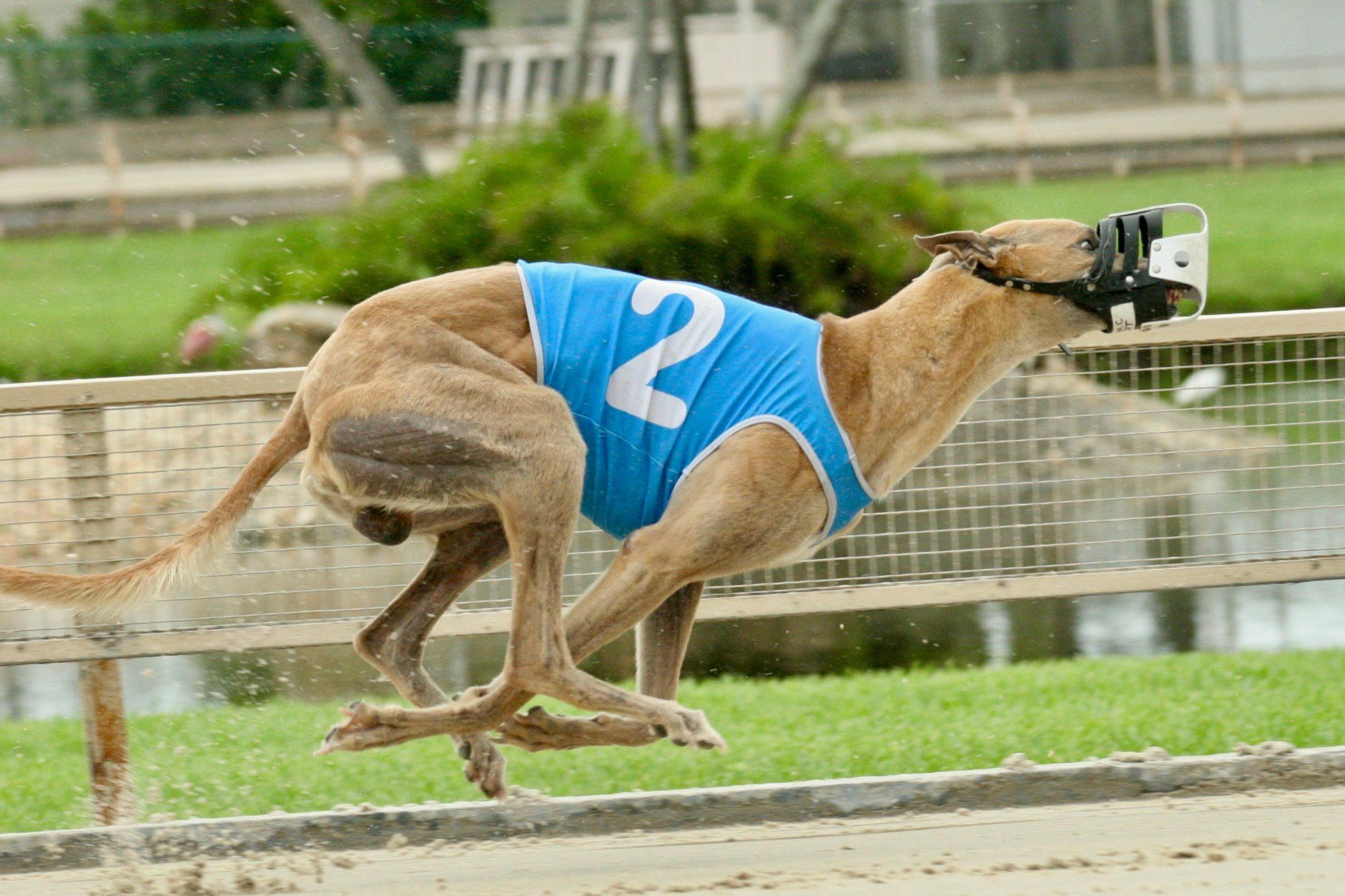
Greyhound Medical Considerations
Greyhounds are a healthy and resilient breed, but their unique body structure and physiology mean there are a few important medical considerations for owners to understand. Knowing what makes greyhounds different helps you partner confidently with your veterinarian and keep your dog safe, comfortable, and thriving.
Area Veterinarian Recommendations
Pet Medical Center of Urbandale
12905 Hickory Dr
Urbandale, Iowa
515-331-9035
Dr. Kristin De Vries & Dr. Carly Klavins
-
Anesthesia Sensitivity
Greyhounds have very little body fat and a unique metabolism, which affects how they process certain medications—especially anesthesia. Some drugs commonly used for other breeds may take longer to leave a greyhound’s system or cause stronger side effects.
Because of this, it is important to work with a veterinarian who is familiar with greyhounds or willing to follow greyhound-specific anesthesia protocols. Most vets can safely anesthetize greyhounds when these guidelines are used. Always remind your vet that your dog is a greyhound before any procedure requiring sedation or surgery.
-
Skin & Injury Care
Greyhounds have thin skin and minimal padding beneath their coat, which makes them more prone to cuts, scrapes, and bruising than many other breeds. What may be a minor scratch on another dog can become a deeper wound on a greyhound.
Prompt cleaning and protection of even small injuries is important. Many greyhound owners keep a basic first-aid kit on hand for minor skin tears and know when to seek veterinary care. While this sensitivity can be surprising at first, most owners quickly learn how to prevent common injuries and keep their dog safe.
-
Flea & Tick Warnings
Always consult your veterinarian or adoption group before using any new flea or tick product, whether it is topical, oral, or from a pet store. Safe options are available, and using veterinarian-approved preventatives will help protect your dog without unnecessary risk.
-
Diet & Nutrition
Greyhounds generally do well on high-quality, balanced dog food. Because of their lean build and sensitive systems, consistency is key.
-
How to Transition Your Dog to a New Food
Switching your dog’s food too quickly can upset their stomach and cause vomiting, diarrhea, or refusal to eat. A slow, gradual transition over 7–10 days helps your dog adjust safely and comfortably.
Mix the foods together thoroughly at each meal.
Some greyhounds may need slightly higher calorie diets to maintain weight, while others do best on foods formulated for sensitive stomachs. Fresh water, regular feeding schedules, and healthy treats in moderation all support long-term wellness. Your veterinarian can help you determine the best diet for your dog’s age, activity level, and health needs.
| Days | Old Food | New Food |
|---|---|---|
| 1-2 | 75% | 25% |
| 3-4 | 50% | 50% |
| 5-6 | 25% | 75% |
| 7+ | 0% | 100% |

